Selecting the Highest Rated Tree Service in San Diego
Benefits of Hiring Professional Tree Services for a Thriving Landscape
Sustaining a vibrant landscape requires greater than basic care. Specialist tree services bring expertise and professional tools to the table, guaranteeing trees thrive in their environment. Their expertise can avoid common pitfalls linked to DIY methods. By comprehending tree biology and environmental requirements, these professionals improve both aesthetics and safety. Nevertheless, the gains reach beyond mere appearance. Investigating these benefits reveals more profound implications for overall ecosystem health.
Why Hiring Professional Tree Services Matters
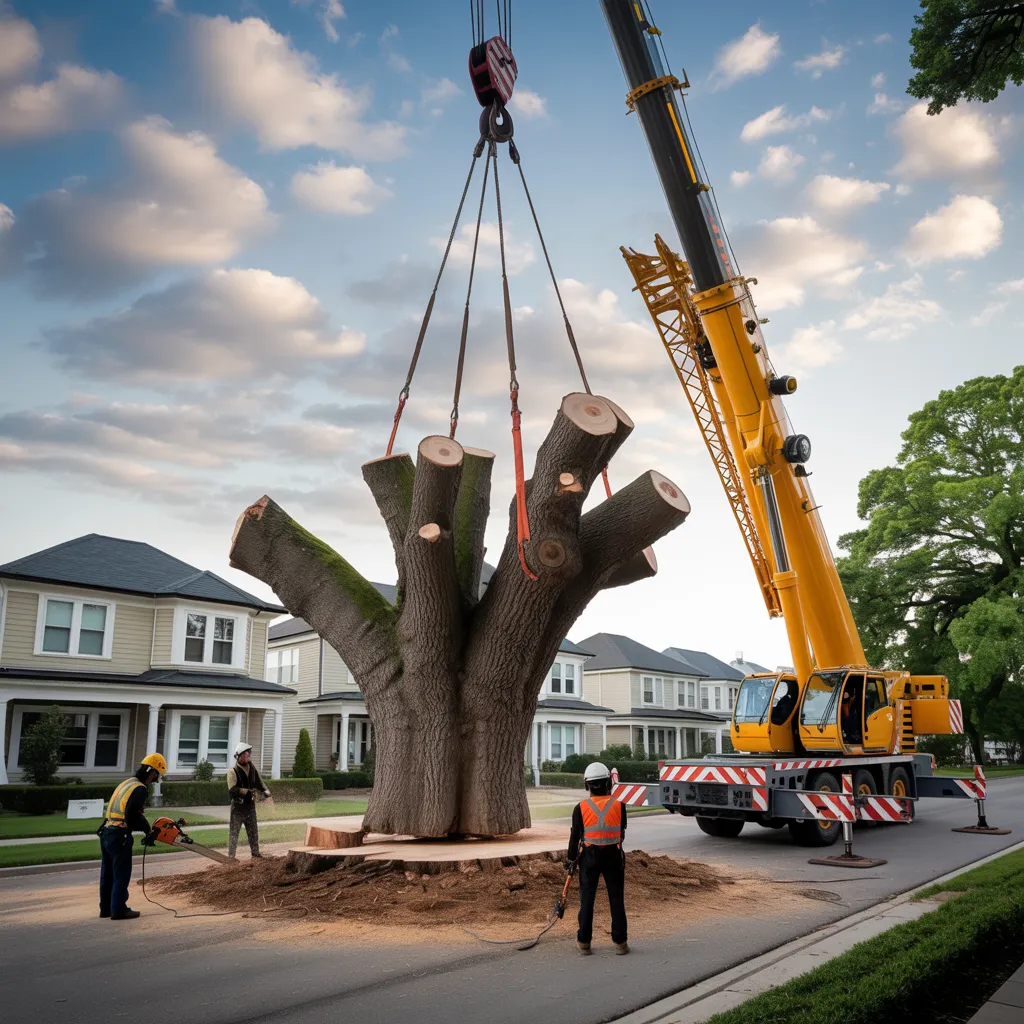
Though numerous homeowners might consider handling tree care independently, hiring professional tree services proves crucial for sustaining a healthy landscape. Professionals offer a wealth of knowledge and proficiency that can greatly improve the health of trees and nearby vegetation. Their comprehension of different tree species, growth patterns, and common diseases allows them to diagnose issues correctly and execute efficient solutions.
Moreover, professional tree services employ specialized equipment that may not be accessible to the average homeowner. This equipment assures that tasks such as pruning, trimming, and removal are executed in a safe and efficient manner, limiting the risk of injury or property damage. Additionally, professionals are trained in best practices for tree care, ensuring that trees are kept in a manner that promotes enduring strength and wellness. Ultimately, engaging professional tree services not only conserves time and effort but also cultivates a more thriving and durable landscape for homeowners to enjoy.
Understanding the Value of Tree Health
Tree health is vital for upholding a vibrant landscape, as it directly influences visual attractiveness and environmental balance. Effective disease prevention strategies and proper pruning techniques are critical for seeing to it that trees grow strong and remain resilient against risks. Understanding these aspects can contribute to healthier trees and, consequently, a healthier ecosystem.
Tree Disease Control and Prevention
Preserving the health of trees is vital for any flourishing landscape, as even a single infected tree can endanger the vitality of its surroundings. Tree disease prevention includes anticipatory measures that shield trees from damaging pathogens and pests. Routine inspections by professionals can recognize early signs of distress, facilitating timely intervention. Techniques such as proper watering, mulching, and maintaining soil health can strengthen tree immunity. Additionally, employing integrated pest management strategies lessens the likelihood of infestations. By prioritizing tree health through preventive care, property owners can create a strong ecosystem that supports not only the trees but also the numerous organisms that depend on them. Engaging professional tree services confirms that trees remain vigorous and resilient for years to come.
Appropriate Trimming Techniques
Effective pruning techniques serve a vital function in maintaining the health and longevity of trees. Correct pruning stimulates healthy growth by eliminating dead or diseased branches, which can harbor pests and diseases. It also improves air circulation and sunlight penetration, important factors for a tree's vitality. Additionally, strategic pruning shapes the tree, improving its structural integrity and reducing the risk of branch failure. Professional tree services are furnished with the knowledge and tools to perform precise cuts, ensuring minimal damage to the tree. They understand the specific needs of different species and the ideal times for pruning, maximizing recovery and growth. By implementing expert pruning techniques, homeowners can foster a thriving landscape that contributes value and beauty to their property.
Typical DIY Tree Care Mistakes to Steer Clear Of
Numerous homeowners start DIY tree care with great intentions, but various common mistakes can compromise their efforts. One prevalent error involves improper watering; too much or too little water can lead to root rot or dehydration, respectively. In addition, many individuals forget to research the specific needs of their tree species, leading to insufficient care.
Another common mistake is using the wrong tools for tree maintenance, resulting in inadequate cuts or damage to the tree. Insufficient surveillance for pests and diseases also creates a major risk, as prompt discovery is vital for management.
Furthermore, several homeowners fail to recognize the significance of safety gear, not wearing safety equipment while carrying out tree work. Finally, aggressive pruning can be damaging, as it may eliminate necessary foliage and weaken the tree. Steering clear of these widespread pitfalls can produce healthier trees and a more vibrant landscape.
The Way Correct Pruning Boosts Landscape Visual Appeal
Strategic pruning functions as a vital method for improving landscape beauty, changing how trees and shrubs appear. By getting rid of dead or overgrown branches, skilled arborists can substantially boost the wellness and appearance of the foliage. Careful cutting stimulates balanced growth, letting trees and shrubs to maintain a balanced shape that fits the encompassing area.
In addition, properly pruned plants can display their innate charm, revealing elaborate branching patterns and striking blooms that might see more otherwise go unnoticed. This detailed attention to detail not only enhances the entire landscape design but also creates a more inviting atmosphere for homeowners and visitors alike.
Furthermore, strategic pruning can enhance light penetration and air circulation across the landscape, promoting thriving plants and a more vibrant ecosystem. In the end, proper pruning is a crucial aspect of landscape maintenance, contributing to a more sophisticated and aesthetically pleasing outdoor space.
Preventing Tree-Related Dangers on Your Property
Caring for trees involves more than aesthetics; safety represents a fundamental concern for residential property owners. Ignoring tree maintenance may result in dangers that threaten both structures and people. Expert tree care providers serve a vital function in detecting and reducing these risks. Skilled arborists examine tree wellness and structural soundness, making certain that prospective hazards are managed preemptively.
Consistent inspections can avoid situations like dropping limbs or toppled trees, most notably during storms. In addition, experts can advise on appropriate tree placements, reducing interference with electrical lines and buildings. They also provide guidance on species selection, recommending varieties that are less prone to disease or structural failure.
Recognizing Common Tree Hazards on Your Property?
Recognizing tree hazards on a property is vital for maintaining safety and health in the landscape. Homeowners should closely inspect for leaning trees, which may indicate instability, as well as any dead or dying foliage that signals potential issues. Additionally, evaluating root damage can reveal underlying problems that may undermine tree health and pose risks to surrounding structures.
Tilted Trees Examination
Leaning trees can pose significant hazards to both property and safety, making their inspection an essential aspect of landscape management. When trees lean excessively, they may suggest structural weaknesses or root instability, elevating the risk of falling during storms or high winds. Property owners should regularly examine their trees for signs of leaning, particularly after heavy rainfall or strong winds, as these conditions can aggravate the problem. Professional tree services employ specialized techniques to evaluate the health of leaning trees, delivering insights into potential risks. They can propose remedial actions, such as cabling or bracing, to stabilize the tree or, if necessary, advise on safe removal. Proper inspection guarantees a safer landscape and protects investments in property and surroundings.
Dead or Dying Greenery
Indicators of dead or dying foliage can reveal fundamental problems impacting the health of trees on a property. Leaf discoloration, wilting, or early dropping are frequent markers of stress and potential disease. Trees may also exhibit dieback, where branches commence losing vitality, often due to environmental factors or pest infestations. Residents should remain alert to these signs, as they can lead to further deterioration if left unaddressed. Moreover, dead branches pose safety risks, especially during storms or high winds. Utilizing expert tree care providers can offer specialized diagnosis and restoration solutions to restore tree health. Detecting and managing dead or dying foliage early is critical to preserving a vibrant landscape and stopping threats that might harm surrounding plants or property.
Root Damage Evaluation
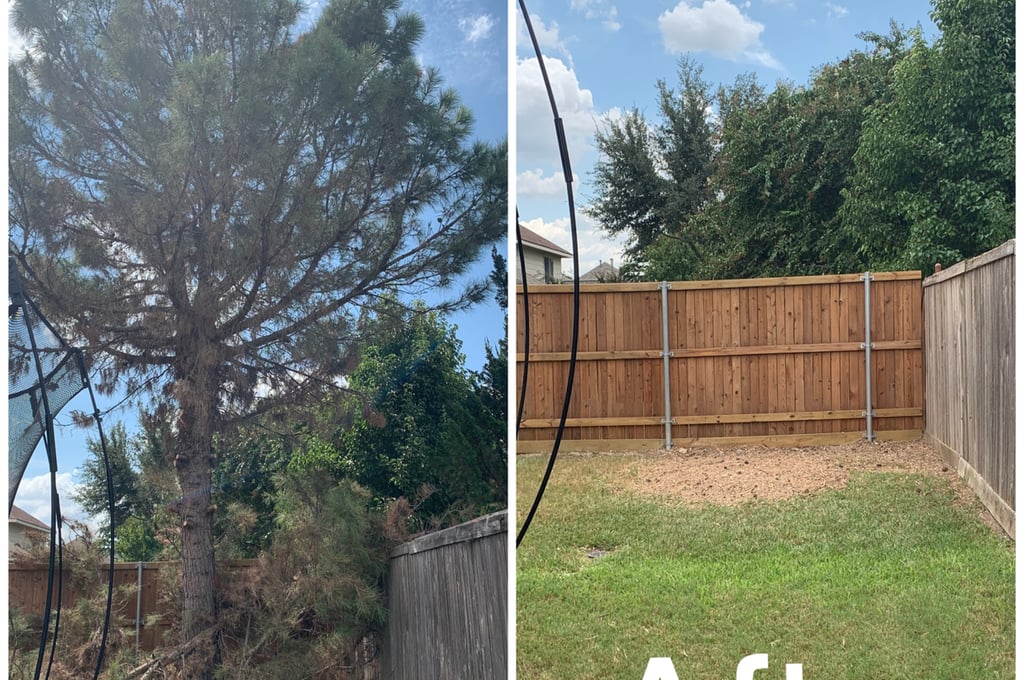
Although numerous property owners value the visual appeal of trees, they often neglect the significance of assessing root health, which serves a critical function in the complete stability and vitality of the landscape. Compromised roots can create considerable hazards, involving tree instability and likely property damage. Common indicators of root issues include visible cracks in the soil, leaning trees, and discolored foliage. Homeowners should be vigilant about these signs, as they may signify compromised root systems due to disease, pests, or environmental stress. Qualified tree care professionals can execute detailed root damage inspections, delivering proficiency in recognizing core problems and proposing proper resolutions. This anticipatory technique helps safeguard a more vigorous landscape and lessens the chance of unsafe tree breakdowns.
The Role of Tree Services in Supporting Biodiversity and Ecosystem Health
As urbanization and environmental changes threaten natural habitats, professional tree services play an essential role in maintaining biodiversity and boosting ecosystem health. These services guarantee correct management and maintenance of trees, which are critical for indigenous wildlife species. Thriving trees supply nourishment, refuge, and breeding habitats for various species, ranging from avian species to insects.
Additionally, tree services play an active role in habitat restoration, establishing native species that promote ecological balance. By controlling tree health and reducing disease, these professionals work to preserve the resilience of urban forests, helping them to withstand environmental stressors.
Additionally, tree services participate in education and advocacy, building awareness about the critical role of trees in carbon sequestration and air quality improvement, further benefiting the ecosystem. Ultimately, their expertise cultivates a thriving environment that supports numerous plant and animal life, underscoring the inherent connection between tree health and overall ecosystem significance.
Most Asked Questions
How Often Should I Schedule Tree Services for Maintenance?
Professionals suggest scheduling tree services at least once a year for maintenance. However, depending on tree species, age, and local climate conditions, more frequent visits may be helpful to guarantee ideal health and growth.
What Qualifications Are Important When Selecting a Tree Service Company?
When selecting a tree service company, one should consider insurance coverage, certifications, experience, and client testimonials. Additionally, confirming compliance with industry standards and securing written estimates will ensure reliability and quality in their services.
Are Tree Services Insured and What Does That Cover?
Most reputable tree services maintain insurance, which typically includes coverage for liability for property damage and worker injuries. This coverage ensures that clients are safeguarded from financial loss in instances of accidents throughout tree care work.
How Can I Tell if a Tree Service Is Reputable?
To evaluate if a tree service is reliable, you should check for licensing, insurance, customer feedback, and professional affiliations. Furthermore, securing multiple quotes can offer details regarding their dependability and quality of service.
What Is the Average Cost of Professional Tree Services?
Average pricing for professional tree services generally falls from $200 to $1,500, based on factors like tree size, location, and service type. Homeowners should get multiple quotes to guarantee quality work and reasonable pricing.